Conditions We Treat
Common conditions our physiotherapists help with. Tap a condition to jump to it, or call
(02) 7255 2000 if yours is not listed. No referral needed.
Musculoskeletal Physiotherapy
Musculoskeletal physiotherapy looks after the muscles, joints, ligaments and nerves that keep you moving. We commonly see back pain, neck pain, sciatica and other nerve-related pain, shoulder and rotator cuff problems, hip and knee pain, whiplash, and headaches that start in the neck.
Your physiotherapist will start with a thorough assessment, explain what is going on and agree a plan with you. Treatment may include hands-on therapy, exercise rehabilitation, dry needling with single-use sterile needles, taping, and advice to help you stay active.
Sports Injuries
Sports injuries can happen in training, competition or weekend activity, from muscle strains and ligament sprains to tendon problems and overuse injuries.
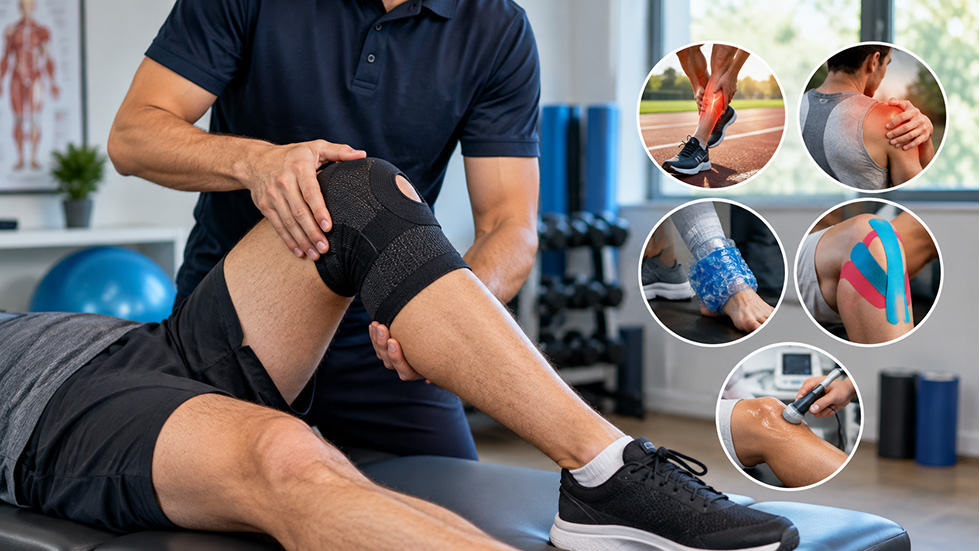
In the first few days, relative rest, ice, compression and elevation can help settle things down. Physiotherapy then focuses on restoring movement, rebuilding strength and planning a safe, gradual return to your sport. Treatment may include exercise programs, hands-on therapy, taping and dry needling.
WorkCover and Workplace Injuries
If you have been injured at work or in a motor vehicle accident, we can provide physiotherapy under a NSW workers compensation (SIRA) or CTP claim.
We complete a detailed initial assessment, agree on goals with you, and work with your GP, employer and insurer on a graded return-to-work plan. We also prepare the Allied Health Recovery Requests (AHRRs) that SIRA requires, so your treatment plan can be reviewed and approved.
Chronic Pain
Pain that lasts longer than three months is known as persistent or chronic pain. It can affect sleep, work and mood as well as movement.
We work alongside your GP and specialists, using education, graded exercise and hands-on treatment to help you understand your pain, build confidence and get back to the activities that matter to you.
Tennis Elbow
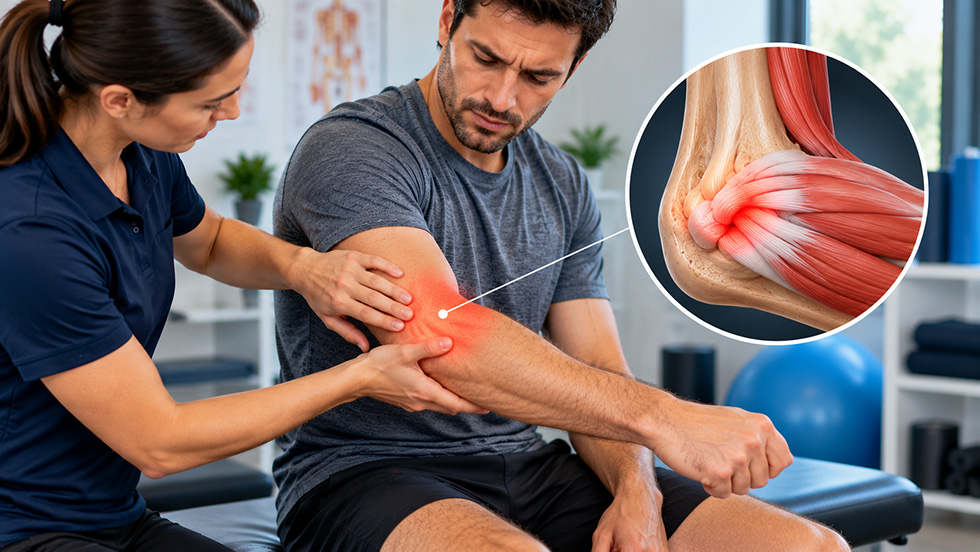
Tennis elbow (lateral epicondylalgia) causes pain on the outside of the elbow and is often linked to repeated gripping, lifting or computer work. You do not need to play tennis to get it.
Treatment usually combines a progressive strengthening program, hands-on therapy, and advice on load and activity. Where suitable, taping or dry needling may also be used, to help you return to work, sport and everyday tasks comfortably.
Golfer's Elbow
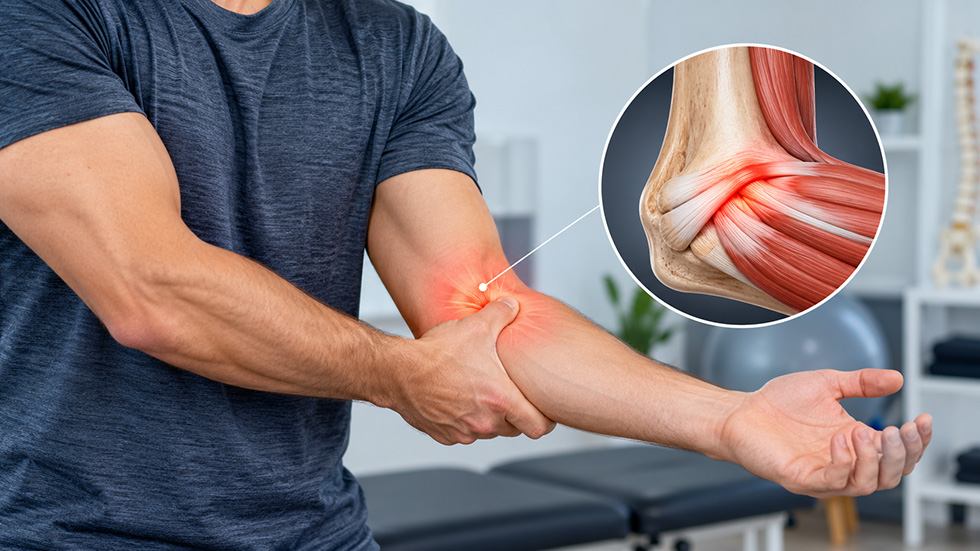
Golfer’s elbow (medial epicondylalgia) causes pain and tenderness on the inside of the elbow. It often develops through repetitive wrist movements, gripping, lifting or forearm strain.
Physiotherapy focuses on reducing discomfort, improving flexibility and restoring strength. Treatment may include targeted exercises, hands-on therapy and activity modification, with a personalised plan to help you return to everyday activities comfortably.
Cervicogenic Headaches
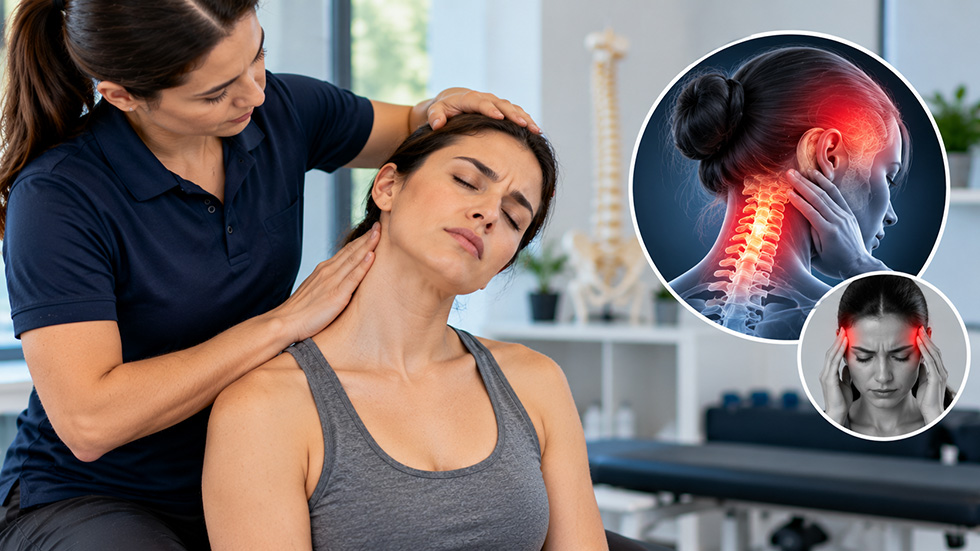
Cervicogenic headaches start in the joints and muscles of the neck and are often felt at the back of the head, behind the eyes or across the forehead. They can be linked to posture, desk work or a previous neck injury.
After assessing your neck and headache pattern, your physiotherapist may use gentle mobilisation, soft tissue therapy, dry needling and targeted exercises, along with practical advice on posture and workstation set-up.
Plantar Fasciitis
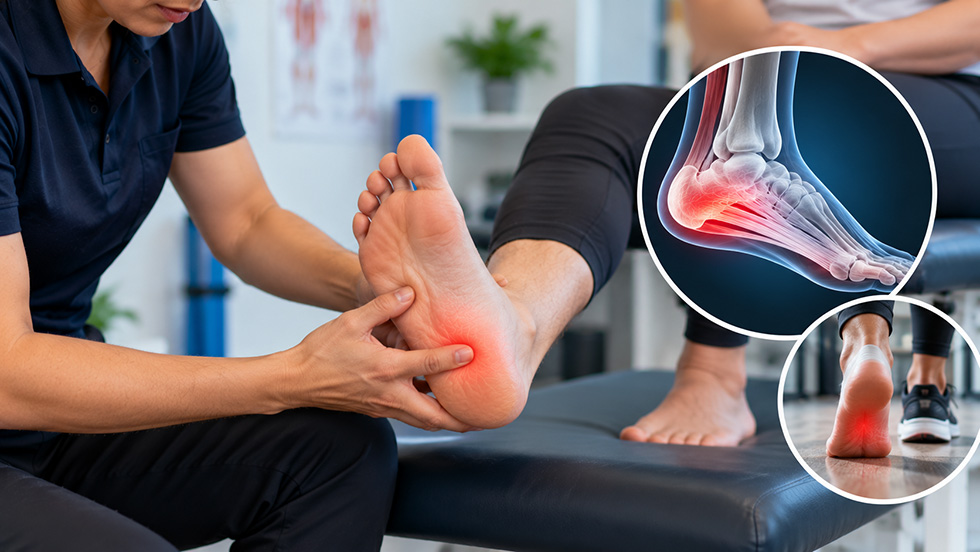
Plantar fasciitis causes heel pain that is often worst with the first steps in the morning or after sitting. It is common in people who stand for long periods, in runners, and after a change in activity or footwear.
Physiotherapy may include calf and foot strengthening, stretching, taping, load management and footwear advice. If orthotics could help, we can discuss this with you and refer you to a podiatrist.
Neck Pain
Neck pain can come from posture, long hours at a desk, sleeping awkwardly, injury or wear and tear. It often comes with stiffness, headaches or pain into the shoulders.
We assess how your neck moves and what is aggravating it, then use hands-on therapy, exercises and ergonomic advice to ease pain and improve movement.
Knee Pain
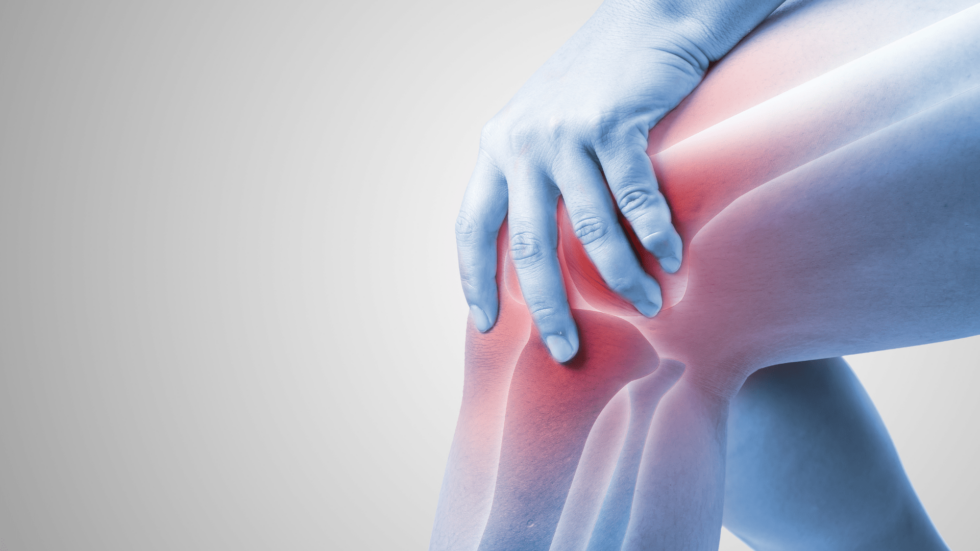
Knee pain can follow an injury, such as a ligament or meniscus strain, or build up over time with arthritis, kneecap pain or overuse.
Physiotherapy focuses on reducing pain, restoring movement and strengthening the muscles that support the knee. We also help people before and after knee surgery, including knee replacements, and work with your GP or surgeon when needed.
Ready to start your recovery?